
The shift in 2010 vs 2020 technology is defined by the move from tethered, specialized gadgets to a seamless, AI-driven cloud ecosystem. While 2010 was the era of the early smartphone and physical media, 2020 marked the total dominance of 4G/5G connectivity, ubiquitous streaming, and smart home integration.
I remember sitting in my living room in 2010, looking at a stack of DVDs and a bulky GPS unit suction-capped to my car windshield. Back then, "the cloud" was a buzzword most of us didn't quite grasp yet. Fast forward to 2020, and those physical objects have vanished, swallowed by the sleek glass rectangles in our pockets.
We’ve lived through a decade that didn't just give us faster CPU speeds; it fundamentally rewired how we interact with reality.
Was the 2010 Smartphone Actually "Smart"?
In 2010, the iPhone 4 had just launched, introducing us to the "Retina Display." It felt like magic, but looking back, we were still living in a world of limitations. Apps were often standalone experiences. You didn't expect your phone to talk to your toaster or manage your home's energy efficiency.
We were still frequently plugging our phones into computers to "sync" music via iTunes, a concept that feels ancient today.
By 2020, the smartphone became the remote control for life. We moved from 3G and early 4G speeds to the precipice of 5G. This wasn't just about downloading movies faster; it was about the latency required for things like the latest digital tools to function without a hitch.
The "smart" in smartphone transitioned from "it has apps" to "it predicts my needs using on-device machine learning."
How Did Home Automation Change Between 2010 and 2020?
If you wanted a "smart home" in 2010, you usually needed a professional installer, miles of proprietary wiring, and a five-figure budget. Most of us settled for a programmable thermostat that required a manual to understand.
By 2020, the barrier to entry dropped to the price of a single bulb or a smart plug. The rise of the Internet of Things (IoT) meant that devices became plug-and-play. We saw the explosion of voice assistants like Alexa and Google Assistant, turning our homes into responsive environments.
According to the National Institute of Standards and Technology (NIST), the shift toward interconnected IoT devices necessitated entirely new frameworks for cybersecurity and interoperability that didn't exist in the early 2010s.
Connecting the System Wires
In the early part of the decade, even basic upgrades felt like a chore. If you were trying to install a new thermostat, you were often staring at a confusing mess of copper.
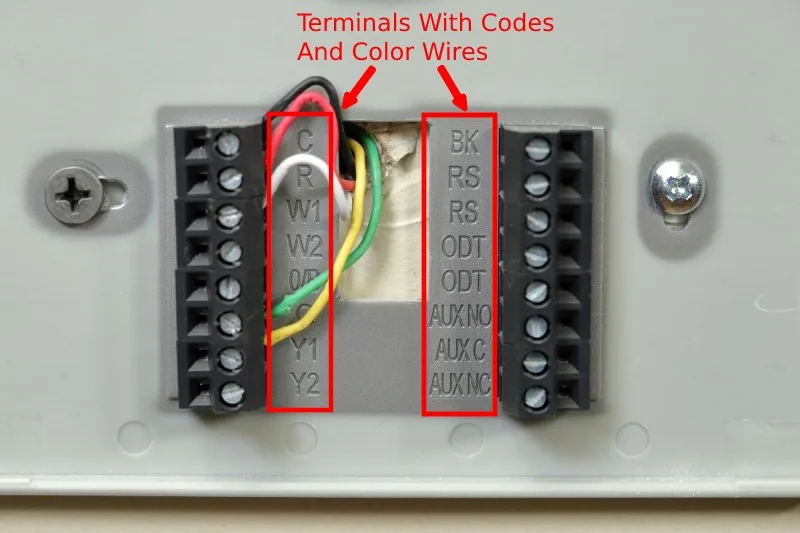
Image source: Bing (Web (fair-use with source credit))
By 2020, the tech matured. Devices became smarter at "auto-detecting" complex electrical setups or providing step-by-step video tutorials right on your screen. We moved away from needing a specialized technician for every minor home improvement task and toward a DIY culture fueled by YouTube and intuitive hardware design.
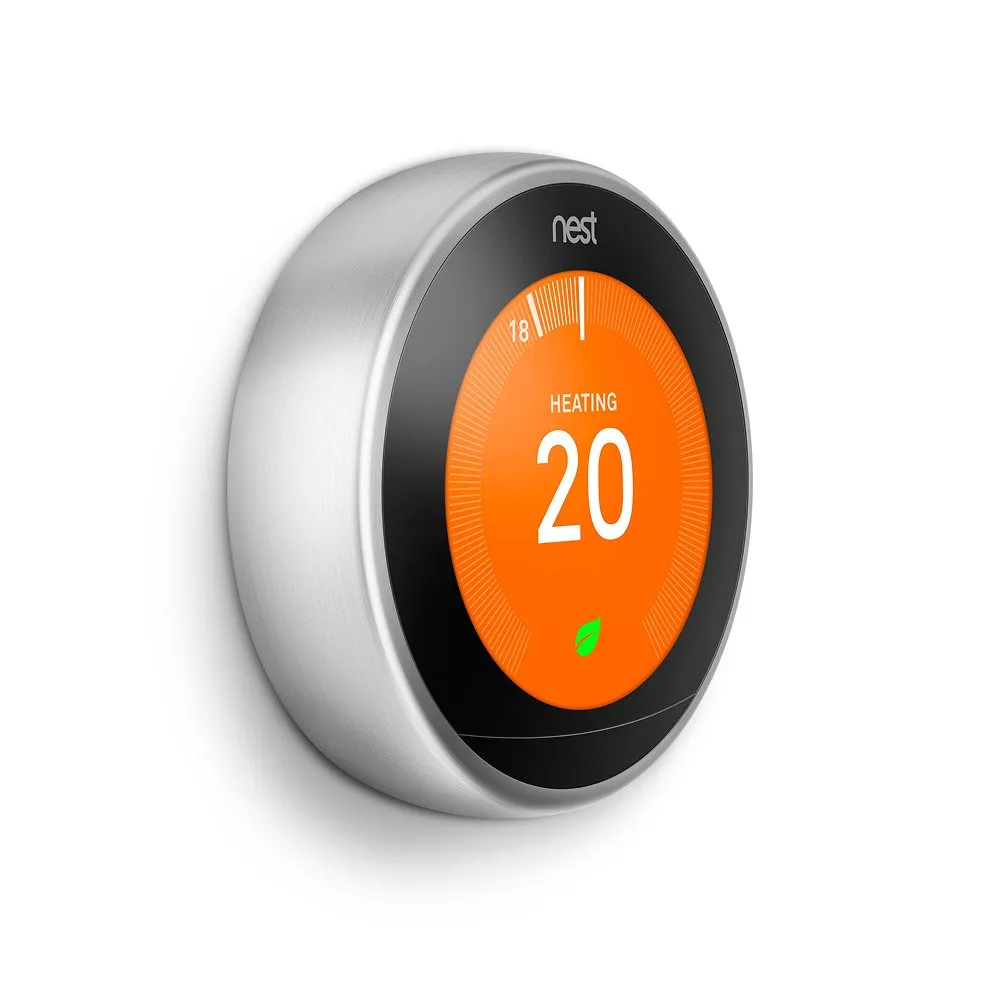
Image source: Web (Bing) / geeksonsite.com (Web image (fair-use with source credit))
The Comparison: 2010 vs 2020 Tech Specs
To really see the gap, we have to look at the numbers. The leap in hardware capability allowed for software that would have crashed a 2010 supercomputer.
| Feature | 2010 Technology | 2020 Technology |
|---|---|---|
| Primary Data Storage | Physical Hard Drives (HDD) | Solid State Drives (SSD) & Cloud |
| Internet Speed (Avg) | 5 Mbps | 100+ Mbps |
| Screen Resolution | 720p / 1080p (Luxury) | 4K / 8K / OLED |
| Artificial Intelligence | Basic Voice Command (Siri Beta) | Generative AI & Neural Engines |
| Transportation | Early Hybrids | Autonomous Features & Mass EV Adoption |
| Music/Video | Downloads (iTunes/Torrents) | Subscription Streaming (Spotify/Netflix) |
Why Did We Stop Owning Things?
One of the most profound shifts between 2010 and 2020 was the death of ownership. In 2010, I still bought CDs. I bought boxed software with license keys.
I felt a sense of "possession" over my digital life.
By 2020, we moved almost entirely to the "As-A-Service" model. Software became a subscription (SaaS). Movies became a monthly fee.
Even our photos moved from local hard drives to the cloud. While this made managing digital assets much easier across multiple devices, it also meant we became dependent on a constant internet connection. The "offline" mode, which was a standard feature in 2010, became an afterthought or a "premium" feature by 2020.
The Rise of the "Prosumer" and Content Creation
In 2010, if you wanted to make a high-quality video, you needed a dedicated DSLR camera and an expensive desktop computer. The "YouTuber" was a hobbyist, not a career path for millions.
Fast forward to 2020, and the computational photography in an iPhone or Pixel could outperform many mid-range cameras from 2010. We saw the birth of TikTok and the refinement of Instagram, platforms that relied on the fact that every person now carried a high-definition film studio in their pocket. This democratization of tech changed the economy, allowing anyone to build an online presence without a massive upfront investment in gear.
Key Milestones in the Decade of Tech
- 2012: The shift where mobile web traffic began to rival desktop traffic.
- 2014: The introduction of smart speakers (Amazon Echo), changing how we interact with AI.
- 2016: Virtual Reality (VR) hits the mainstream with the Oculus Rift and PlayStation VR.
- 2018: AI begins to dominate photography, using "Night Mode" to see in the dark.
- 2020: Remote work tech (Zoom, Slack) matures overnight due to global necessity.
A Personal Perspective: The "Always On" Reality
I remember the "silence" of 2010. If you left your house, you were essentially off the grid unless someone called or texted you. Social media was something you checked on a computer at the end of the day.
By 2020, that silence vanished. We became "always on." Notifications from our watches, phones, and even our front door cameras (thanks to Ring and Nest) meant that our attention was constantly being auctioned off. While the technology of 2020 made us infinitely more productive, it also made us more distracted.
We traded the simplicity of 2010 for the hyper-efficiency of 2020. I love that I can check my home's status from a thousand miles away, but I sometimes miss the days when a "low battery" warning didn't feel like a personal crisis.
Frequently Asked Questions
What was the biggest tech jump between 2010 and 2020?
Most experts point to Artificial Intelligence and Machine Learning. In 2010, AI was mostly theoretical or limited to basic chess engines. By 2020, AI was powering everything from your Netflix recommendations to the facial recognition that unlocks your phone.
Is 2010 tech still usable today?
In many cases, no. The "3G Sunset" has rendered many 2010-era phones into paperweights. Similarly, the shift from 32-bit to 64-bit architecture means many old apps simply won't run on modern operating systems.
How did battery life change?
Interestingly, battery life didn't "improve" as much as you'd think in terms of hours. Instead, our devices became much more power-hungry. We traded the week-long battery of a 2010 "dumb phone" for the 24-hour battery of a 2020 smartphone that does a thousand times more work.
Did social media change the tech landscape?
Absolutely. In 2010, social media was about "status updates." By 2020, it became a massive data-harvesting machine that influenced everything from hardware design (cameras optimized for selfies) to the IEEE standards for data transmission and privacy.
Reflections on a Digital Transformation
Looking back at 2010 vs 2020 technology, it’s clear that we didn't just get better gadgets; we got a new way of living. We moved from a world of "tools" that we used for specific tasks to an "environment" that we live inside. The tech of 2010 required us to go to it, to sit at the desk, to plug in the cable.
The tech of 2020 follows us, anticipates us, and connects us in ways that seemed like science fiction just ten years prior.
As we continue to watch these tools evolve, it’s worth taking a moment to appreciate the sheer speed of this journey. Whether you're a hardcore power user or just someone who enjoys a reliable video call with family, the decade between 2010 and 2020 was arguably the most transformative in human history. Here's to the next decade of discovery and the incredible ways it will continue to simplify, and complicate, our lives.
Enjoy the ride!

I’m the tech enthusiast behind FixTechEasy. I know how stressful it is when your technology doesn’t cooperate. My goal here is to take the headache out of troubleshooting by breaking down complex tech problems into simple, easy-to-follow steps. From quick fixes to deep-dive guides, I’m here to help you get back to what matters most. Let’s get your tech working for you, not against you.
4 thoughts on “2010 vs 2020 Technology”